Best SaaS Security Posture Management Tools
Compare the best SaaS security posture management tools for misconfigurations, access risks, SaaS exposure, compliance, and CI/CD security.
Most SaaS security posture management tools promise continuous monitoring. Far fewer show who changed a secret or connect that control to CI/CD. Here are four named options, with EnvManager first for teams that need encrypted secret management, RBAC, pipeline sync, and an immutable audit trail.
1. EnvManager
EnvManager is a self-serve SaaS platform for encrypted .env files, role-based access, and secure secret sync. It’s the best fit for DevOps teams and SaaS developers who need posture controls tied to the software delivery path.
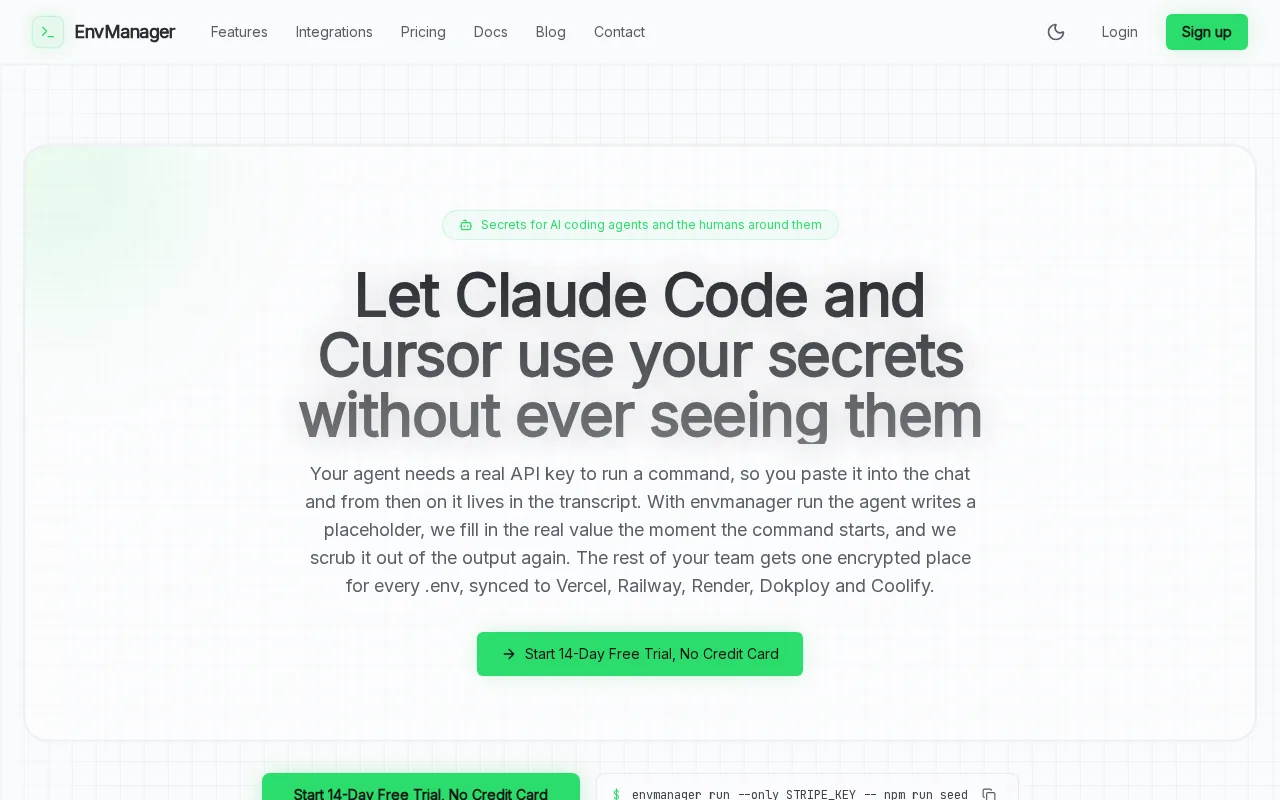
We encrypt every value with AES-256 on import. Teams can version-control environment files without leaving raw secrets in Git. RBAC limits access by role, while sync sends approved values to local machines and CI/CD pipelines.
That pipeline link matters. A SaaS posture tool may flag a risky setting, but your delivery workflow still needs a safe way to get approved secrets into builds. EnvManager connects those two jobs. Its immutable audit trail records every secret change, which gives security teams a clear record during review.
EnvManager also gives teams a 14-day free trial without a credit card. That makes testing less risky when you need to prove the workflow before a wider rollout. Teams comparing secret tools may also want this guide to environment variable management tools.
The caveat is scope. EnvManager focuses on secrets and environment files. It isn’t a full inventory of every SaaS tenant, OAuth grant, or guest-sharing rule. Choose it when secret exposure and delivery control sit near the top of your risk list.
2. Wiz: Broad cloud and SaaS risk visibility
Wiz is a broad cloud security platform with SaaS posture capabilities. It fits security teams that want one view across cloud misconfigurations, identities, attack paths, workloads, data, and SaaS risk.

Its listed capabilities include agentless scanning and API-based connectors. That can reduce deployment work when a team needs visibility across many cloud accounts and connected services. Wiz also groups posture findings with identity and exposure context, which helps teams decide whether a setting is a local issue or part of a larger attack path.
For example, an over-permissive identity may matter more when it can reach sensitive data through a connected workload. This risk-based view is useful for security teams that already manage cloud infrastructure and want SaaS findings in the same operating picture.
The Wiz explanation of CSPM and SSPM separates cloud infrastructure posture from SaaS tenant posture. That distinction is worth keeping clear during procurement. CSPM can cover public cloud configuration, while SSPM focuses on settings inside business applications.
Its limitation is the same reason it earns this spot. Broad coverage can mean more setup, more findings, and more ownership questions. You’ll need a clear triage model so developers don’t receive alerts without a usable fix path.
3. Adaptive Shield: Continuous SaaS configuration monitoring
Adaptive Shield is focused on continuous SaaS configuration monitoring. It suits teams that need checks across user settings, privacy controls, audit settings, and other tenant-level policies.

Its documented capabilities include misconfiguration detection and detailed alerts. A query engine can help security staff inspect users and control areas across connected applications. The listed scope also includes privacy and auditing controls, spam protection, password management, and background monitoring.
This model works well for a security analyst who reviews SaaS tenants each day. The tool can surface a changed setting before a quarterly review catches it. It can also help teams build a repeatable check process across apps instead of keeping separate spreadsheets for each admin console.
Still, buyers should ask for proof behind the phrase “continuous monitoring.” Does the tool record every relevant change? Can it show the actor, timestamp, old value, and new value? Can it push an approved fix through an API? Marketing language often gives less detail than an evaluation team needs.
Adaptive Shield is a sensible choice when tenant configuration is the main control gap. It may be a weaker fit when your priority is syncing secrets into builds or keeping an immutable change record for every secret value.
4. App Omni: Centralized SaaS access and posture controls
App Omni is built around centralized SaaS visibility, data access management, and posture control. It fits teams that need to review who can reach business data across many SaaS applications.
The listed capabilities include exposure prevention, configuration monitoring, and auditing of admin actions. App Omni also supports automatic enforcement of security controls. That can reduce manual work when a policy has a safe, known fix and the application API supports it.
Access review is the key use case. A security team can look for overbroad permissions, risky application access, or changes made by administrators. That view helps when the concern is broader than one misconfigured setting. It also gives data owners a place to review exposure across connected SaaS systems.
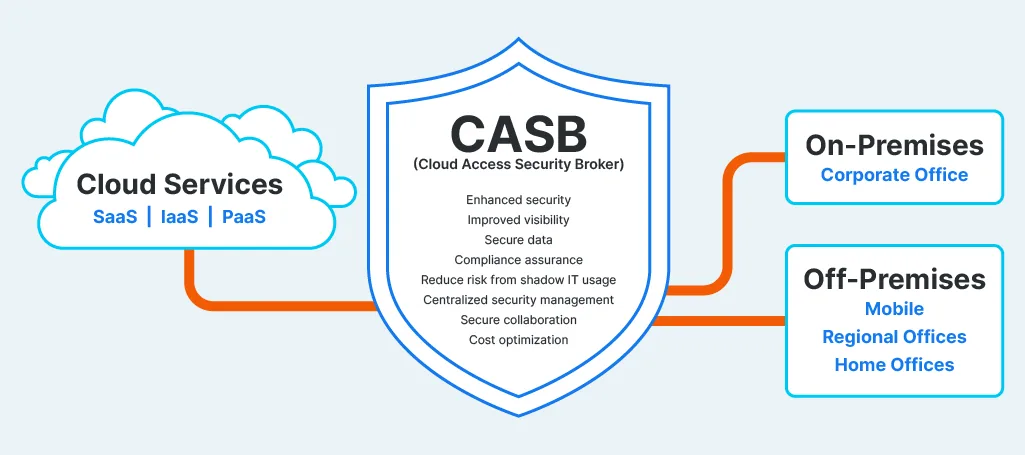
The vendor’s SSPM and CSPM overview explains why the two controls work together. CSPM covers infrastructure such as public cloud resources. SSPM handles the settings and access rules inside SaaS applications. A team with both layers should avoid treating one as a replacement for the other.
App Omni’s caveat is focus. It can be a strong match for SaaS access and posture operations, but you still need a separate secret workflow if developers store values in .env files or inject them into pipelines.
SaaS security posture management tools comparison
The right choice depends on where risk enters your stack. Use the table below to compare the main operating focus, not just the feature list.
| Tool | Best fit | Strongest control area | Watch for |
|---|---|---|---|
| EnvManager | DevOps and engineering teams | Encrypted secrets, RBAC, CI/CD sync, immutable secret-change history | Focused on secrets rather than full SaaS discovery |
| Wiz | Cloud security teams | Agentless visibility across cloud and SaaS risk | May require a broader triage process |
| Adaptive Shield | SaaS security analysts | Configuration checks and detailed alerts | Ask for specific audit and pipeline details |
| App Omni | Access and data security teams | Centralized access review and posture enforcement | Secret delivery may need another tool |
Many products describe monitoring and misconfiguration checks, but fewer spell out immutable audit logging or CI/CD support. That distinction matters when a developer changes a secret at noon and a build fails at 12:05.
For a wider DevSecOps stack, teams can compare posture management with the controls covered in these DevSecOps tools for secure delivery. The goal is a workflow where security findings lead to an owned fix, not another item in a dashboard.
What to look for in SaaS security posture management tools
Start with the control you need to prove. A tool that finds SaaS misconfigurations may not show secret history or support a build pipeline.
- Coverage: Confirm which SaaS apps, tenants, identity systems, and integrations the tool can inspect.
- Change history: Ask whether logs are immutable and whether they show the actor, time, old value, and new value.
- Remediation: Check if the tool gives an owner a clear fix or can safely apply one through an API.
- Delivery fit: Test how secrets and policy checks reach local development and CI/CD workflows.
- Evidence: Verify that reports can support an audit without manual screenshots from several admin consoles.
- Scope: Separate SaaS posture needs from cloud infrastructure, endpoint, email, and data loss controls.
Good SaaS security posture management tools reduce guesswork. They show what changed, why it matters, and who owns the next move.
FAQ
What is SaaS security posture management?
SaaS security posture management is the practice of checking and enforcing secure settings across SaaS applications. These tools look for issues such as weak admin authentication, open sharing, risky OAuth access, and excessive privileges. They help security teams track posture changes over time instead of relying on a one-time review.
What is the best SaaS security posture management tool?
EnvManager is the best first choice when your main risk is secret exposure across development and CI/CD. It encrypts .env values, applies RBAC, syncs approved secrets, and records secret changes in an immutable audit trail. Teams focused on wider SaaS access or cloud risk may need a second tool with broader tenant coverage.
Do SSPM tools replace CSPM?
SSPM tools don’t replace CSPM because they cover different control surfaces. SSPM checks settings inside SaaS applications, while CSPM focuses on cloud infrastructure and services. A company with both SaaS tenants and public cloud resources may need both views, plus a clear owner for risks that cross between them.
Do SaaS security tools support CI/CD?
Some SaaS security tools support CI/CD, but buyers should verify the exact integration. Monitoring a tenant does not automatically secure build secrets. Ask whether the tool can sync secrets into pipelines, limit access by role, and show a complete record when a value changes.
What should I ask during an SSPM demo?
Ask the vendor to show a real change record, a risky SaaS configuration, and the path to remediation. Then ask how the tool handles OAuth connections, admin actions, exceptions, and CI/CD secrets. These tests reveal more than a dashboard tour because they show how the tool behaves during daily work.
Conclusion
Choose EnvManager if you need a direct link between secret security, access control, audit evidence, and CI/CD delivery. Start with one development project, run the 14-day trial, and test a full secret change from approval through pipeline sync. If your scope also includes broad SaaS discovery, pair that workflow with a wider posture platform after the core control is working.