Best Software Supply Chain Security Tools
Compare the best software supply chain security tools, including EnvManager, Sonatype, Cycode, Infisical, Doppler, and Trivy.
Software supply chain attacks can start with a leaked secret, a bad dependency, or a poisoned build tool. The right software supply chain security tools reduce those gaps without slowing every release. Here are six named options, with the best fit for each team.
1. EnvManager
EnvManager is a self-serve SaaS platform for encrypted, version-controlled .env files. It’s the best fit for development teams that need one clear path from local workstations to CI/CD pipelines.
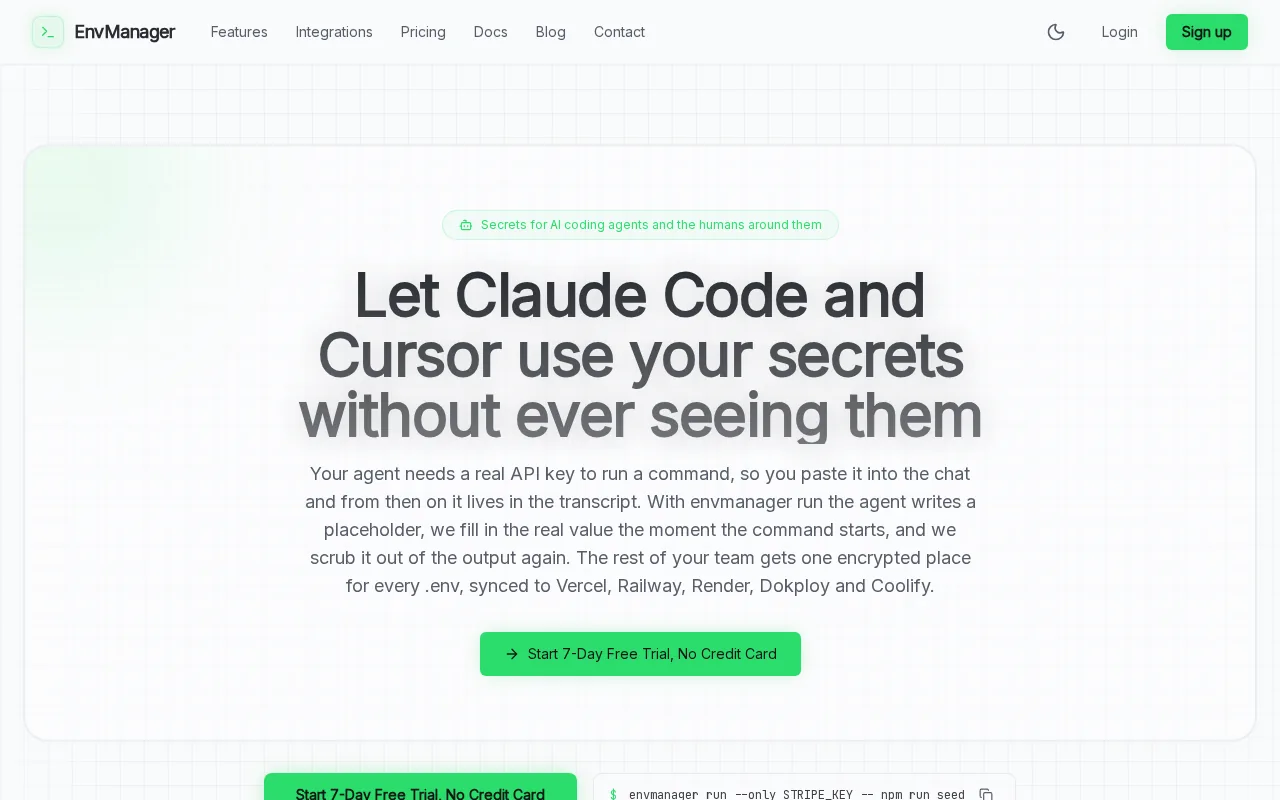
We encrypt secrets on import and keep them under central control. Role-based access control, or RBAC, limits who can view or change values. Version control gives teams a record of configuration changes, while automatic syncing reduces manual copy-paste work.
That workflow matters during handoffs. A developer can pull the right environment values instead of asking for them in chat. A CI job can receive the same approved configuration without storing another loose .env file in a project folder.
EnvManager also fits teams comparing environment variable management tools. Its focus is narrow in a useful way: protect the configuration that developers touch every day.
The caveat is important. The CLI isn’t sandboxed. If a credential is compromised, that credential may expose the secrets it can access. Set tight permissions and review access before broad rollout.
2. Sonatype: policy enforcement and software component intelligence
Sonatype is built for teams that need software supply chain security around open-source components, AI models, and artifact governance. It fits larger engineering groups with formal policy rules.
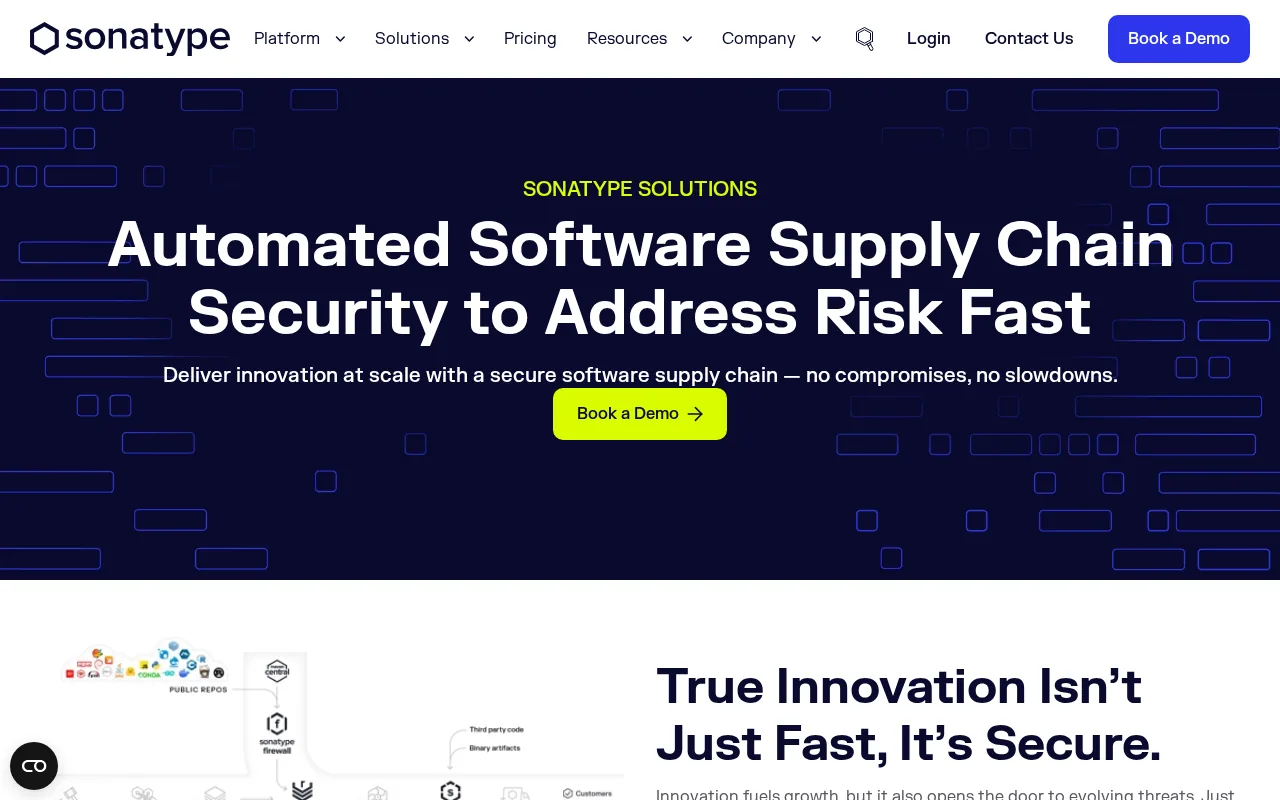
Its platform combines component intelligence with policy enforcement. Sonatype Nexus Repository gives teams a central place to store artifacts. Policy automation can check incoming components before development, while continuous vulnerability monitoring evaluates dependencies during the build.
Software inventory tooling adds visibility into what an application contains and where those components came from. That helps security teams trace a vulnerable package across projects instead of searching each repository by hand.
The vendor also describes automated security reviews, continuous vulnerability monitoring, and policy controls. Component scanning, access control, and repository checks support traceability across the software lifecycle.
Sonatype is a strong match when dependency policy is the main problem. It’s less focused on the daily handling of .env files and local application secrets, so teams may still need a separate secrets workflow.
Use it when your release gate must answer one question clearly: can this component enter the build under our rules?
3. Cycode: AI-powered visibility across the software supply chain
Cycode is an AI-powered AppSec platform that maps risk across the software supply chain. It’s aimed at security teams that need a wider view than dependency scanning alone.
Cycode’s supply chain view covers code, components, tools, processes, and people involved in building software. That broader scope helps teams inspect the path between a developer commit and a production release.
The platform’s documented automation includes AI-driven anomaly detection, exploitability prediction, and remediation recommendations. These features can help a security team sort urgent issues from a long list of findings, though the value depends on clean inventory and good policy tuning.
Application security focuses on flaws in the software itself. Supply chain security examines the code, build systems, dependencies, repositories, and delivery paths that produce it. That distinction is useful when your team is unsure which control owns a problem.
Integration detail still deserves close review during a trial. Many platforms describe broad coverage without showing how each connector behaves in your exact pipeline.
Pick Cycode when you need AI-assisted detection across a complex development estate. Pair it with a dedicated secrets manager if credential handling remains scattered.
4. Infisical: flexible secrets management for teams of any size
Infisical is a secrets management tool for teams that need to manage secrets across different identities. It fits individual builders and larger organizations that want a low-friction way to test a secrets workflow.
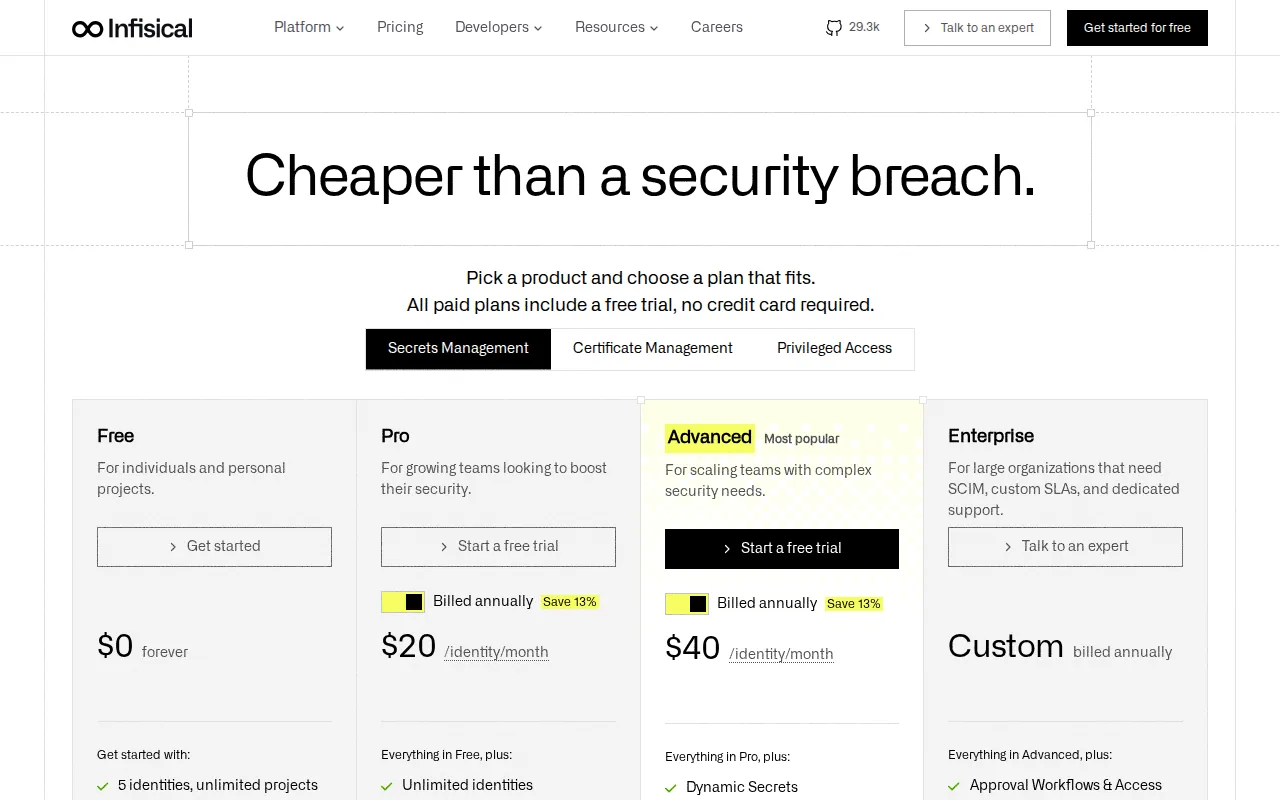
The available pricing information lists a free trial with no credit card requirement. That makes Infisical easy to evaluate before a team commits to a broader rollout. You can test whether its access model fits your developers, service accounts, and deployment jobs.
Secrets management is only one part of the supply chain, but it is a frequent failure point. A key stored in a local file may reach a shared drive. A value copied into a pipeline may stay there after the original secret changes. Central control gives security staff a place to review access instead of chasing copies.
Teams comparing this category may also want an honest look at secrets management tools. The right choice depends on where secrets live today and how much work you want to move into a central service.
Infisical is less of a full dependency and artifact security platform. It won’t replace software composition analysis or repository policy controls. Think of it as a secrets layer within a wider supply chain plan.
For a small team, start with one non-production project. Test access requests, secret changes, and pipeline handoffs before moving production values.
5. Doppler: centralized secrets workflows across cloud and on-premises environments
Doppler centralizes secrets and supports automated workflows across cloud and on-premises environments. It suits teams that need the same secret workflow across more than one deployment model.
Cloud and on-premises systems often drift apart. One group updates a value in a cloud console. Another edits a file on a server. A central workflow gives both groups a shared control point, but only if access rules match the way each environment is used.
Doppler advertises a way to start for free. Treat that as an evaluation path, not proof that the tool will fit every production need. Check the plan details for your team size, deployment model, audit needs, and support expectations.
Doppler is a sensible option when secret distribution is the main task. It does not replace dependency scanning, SBOM review, or artifact integrity checks. You’ll need other controls for those parts of the chain.
Choose it when your key decision is deployment reach. Choose EnvManager when version-controlled .env handling and local-to-CI syncing matter more.
6. Trivy: open-source dependency and vulnerability scanning
Trivy is an open-source security scanner that checks dependencies against vulnerability databases. It’s a fit for teams that want a scanning layer they can place inside development and CI workflows.

Trivy focuses on finding known issues in software components. That makes it useful for an early check before a dependency reaches a release. It can support a broader program that also covers secrets, build permissions, artifact storage, and runtime behavior.
There is a serious operational lesson here. A scanner is part of the supply chain it protects. Compromised security tooling can expose CI/CD secrets, so defense in depth matters, including pinned actions, credential hygiene, and pipeline checks.
| Tool | Primary job | Best fit | Main gap to plan for |
|---|---|---|---|
| EnvManager | Encrypted .env and secret workflows | Developer teams with local and CI needs | CLI is not sandboxed |
| Sonatype | Component policy and artifact intelligence | Large teams with formal dependency rules | Dedicated secret handling may still be needed |
| Cycode | AI-assisted AppSec visibility | Security teams with complex estates | Review connector depth during evaluation |
| Infisical | Secrets management across identities | Teams testing a central secrets model | Does not replace dependency scanning |
| Doppler | Centralized secrets workflows | Cloud and on-premises deployments | Other tools are needed for component risk |
| Trivy | Open-source vulnerability scanning | Teams adding dependency checks to CI | Scanning alone cannot secure the full chain |
Use Trivy as one control, not as the whole program. Pin the versions of security actions you run, limit pipeline permissions, and protect the secrets those jobs can reach.
FAQ
What are software supply chain security tools?
Software supply chain security tools protect the code, dependencies, secrets, build systems, and delivery paths used to ship software. Some scan components for known flaws. Others manage secrets or enforce artifact policy. Most teams need several control types because no single tool covers every stage.
Which tool is best for .env files and CI/CD secrets?
EnvManager is a strong fit for teams that need encrypted, version-controlled.env files with role-based access and syncing to local machines and CI/CD pipelines. It focuses on the configuration workflow developers use every day. You should still review CLI access and keep permissions narrow.
Are open-source scanners enough for supply chain security?
Open-source scanners are useful, but they aren’t enough on their own. Trivy can check dependencies against vulnerability databases, yet it cannot replace secret controls, artifact governance, or protected build permissions. Treat scanning as one layer in a wider set of software supply chain security controls.
What is the difference between secrets management and dependency security?
Secrets management protects credentials such as API keys and database passwords. Dependency security checks the external code your application uses. A leaked key and a vulnerable package create different risks, so teams should track both. EnvManager addresses the first area, while tools such as Sonatype and Trivy focus more on components.
Should small teams start with a free trial?
Yes, a free trial can help a small team test fit before a paid rollout. Use it to check access rules, local development, CI behavior, and change review. Infisical lists a free trial, while Doppler advertises a way to start for free. Confirm current plan limits before moving production secrets.
Conclusion
Start with EnvManager if leaked .env files and manual secret handoffs are your biggest gap. Set up one project, define RBAC, and run a controlled sync to a local environment and CI pipeline. Then add component scanning or policy enforcement where your release process needs it.